
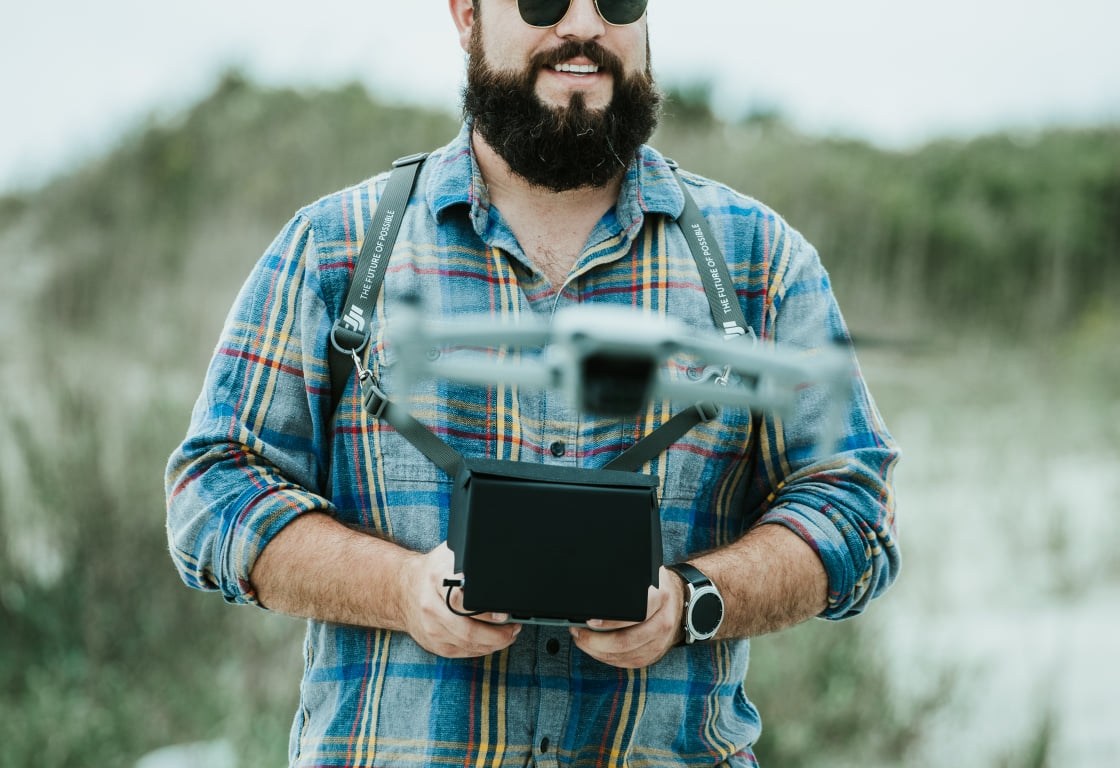
Becoming a drone pilot is a wonderful and exciting experience. Being a drone pilot allows you to explore new perspectives and capture stunning aerial footage and photographs. It opens up a wide range of opportunities for you, whether you’re a professional photographer or videographer, a real estate agent, an inspector, a surveyor, or simply someone who loves flying and taking pictures. As a drone pilot, you will have the ability to fly in areas that are not accessible by foot or traditional aircraft, giving you a unique perspective on the world. I have outlined my experience taking and passing the FAA Part 107 exam below and provided some useful information to hopefully help others do the same!
To pass the FAA Part 107 exam, I made sure to study and prepare thoroughly. The exam covers a wide range of topics related to operating a drone safely and legally, including airspace classification, weather conditions, and emergency procedures. I obtained the FAA’s Remote Pilot – Small Unmanned Aircraft Systems Study Guide which is the official guide provided by the FAA and it covers all the material that will be on the exam. I read it multiple times and made notes of important information.
I also made use of other resources to supplement my studying such as taking an online study course (consult YouTube) and purchasing test preparation materials. These resources provided additional study resources, practice tests and tips for passing the exam.
Classes specifically designed to prepare individuals for the FAA Part 107 exam are also available, offered by flight schools or training programs, but I elected not to enroll for one of these courses. I considered the FAA study materials and online resources enough of a knowledge base for me to pass the exam.
I also joined drone pilot forums or communities which provided me with additional information and support as I prepared for the exam.
FAA’s Small Unmanned Aircraft Systems (sUAS) website was a valuable resource as well, it provides a wide range of information on the regulations and procedures for flying drones, including the Part 107 rule, which is the foundation for the test.
Finally, I registered and paid for the test, scheduled it at an authorized testing center. The test is computer based and consist of 60 multiple choice questions, which must be answered within 120 minutes. I made sure to arrive on time and took my time to answer each question carefully to get the score I needed to pass the exam (70%).
By following these steps and studying diligently, I was well-prepared and confident to pass the FAA Part 107 exam.
There are several resources available to help prepare for the FAA Part 107 exam, including:
- FAA’s Remote Pilot – Small Unmanned Aircraft Systems Study Guide: This is a free guide provided by the FAA that covers all the material that will be on the exam.
- Online study courses and test preparation materials: There are a number of online courses and test preparation materials available for purchase that can provide additional study resources, practice tests, and tips for passing the exam.
- Flight schools and training programs: Some flight schools and training programs offer classes specifically designed to prepare individuals for the FAA Part 107 exam.
- Drone pilot forums and communities: Joining drone pilot forums or communities can provide additional information and support as you prepare for the exam.
- FAA’s Small Unmanned Aircraft Systems (sUAS) website: This website provides a wide range of information on the regulations and procedures for flying drones, including the Part 107 rule, which is the foundation for the test.
- Remote Pilot Test Prep App: FAA has an official app for remote pilot test preparation which provides sample questions, explanations, and study materials.
It’s important to note that the FAA’s Remote Pilot – Small Unmanned Aircraft Systems Study Guide is the most important resource to have as it’s the official study guide provided by the FAA and it covers all the material that will be on the exam.

 The Anonymous Beard